Mobile Phone Problems and Repair Solutions: Repair Tips From Specialists
Smartphones are integral devices in daily life, yet users often face various issues. Battery drain, connectivity problems, app crashes, and screen malfunctions are among the most common challenges. Understanding these problems and their causes can lead to effective solutions. This guide offers practical strategies for maintenance and troubleshooting. Users may discover that addressing these concerns improves their device experience considerably. Which fixes work best?
Understanding Battery Drain: Causes and Quick Fixes
Mobile phone users often encounter the frustrating issue of battery drain, which can greatly hinder daily use. Several factors contribute, including background app activity, high screen brightness, and location services that remain active. Notifications from multiple apps can also drain power rapidly, often without the user’s awareness.
Keeping software up to date, while essential for device security, can sometimes increase battery consumption if not optimized. Older devices may struggle with efficiency due to aging batteries.
To address battery drain, users can try practical measures. Lowering brightness, stopping background apps, and turning off location tracking can considerably improve battery life. Utilizing battery saver modes and checking for app updates regularly can also help. Following these tips enhances mobile experience and optimizes device uptime.
Speeding Up Your Mobile Phone: Top Tips
To boost speed, users should delete temporary files and turn off unnecessary applications. These actions free up resources, leading to a smoother experience. Implementing these simple tips can enhance device speed and responsiveness.
Clear Cache Regularly
Clearing cache boosts mobile phone performance. Apps store cached data over time, which can slow down operations. Removing these files frees storage space, resulting in faster app launches and smoother multitasking. This process also resolves minor glitches from overloaded storage. Most operating systems offer built-in options to clear cache. Scheduling this every few weeks, especially after installing apps or updates, maintains optimal performance.
Turn Off Background Apps
Unused apps use memory and battery, leading to sluggish performance. Disabling them frees up resources, allowing essential apps to run efficiently. Users can disable apps via device settings. This simple action enhances performance and maintains smooth operation. Regular review and disabling of unused apps ensures peak performance.
Connectivity Issues: Fixing Wi-Fi and Bluetooth
Connectivity problems can be annoying, especially with Wi-Fi and Bluetooth. For Wi-Fi, users should check the router, restart the device, and forget/reconnect to the network. Software updates are also essential, as outdated firmware can affect connections.
For Bluetooth, users should ensure it’s enabled on both devices, try unpairing/re-pairing, and clear cached data. Resetting network settings may help if issues persist. These steps improve connectivity, allowing seamless access to online services and paired devices.
Fixing App Crashes: Troubleshooting Tips
App crashes interfere with usage, often due to outdated app versions, insufficient storage, or conflicting background processes. Identifying these factors helps restore functionality and improve overall performance.
Update Your Apps
Using outdated apps causes errors. Bugs fixed in new releases may persist in old versions. Outdated apps may not support the latest OS updates. Regularly checking for updates and enabling automatic updates enhances performance, while also improving security.
Freeing Up Space
Deleting unnecessary files, apps, and cached data, or using cloud storage for media, optimizes storage. Removing duplicates and redundant files reduces crashes, ensuring smoother operation.
Managing Background Apps
Restarting devices clears conflicting processes. Updating apps regularly avoids conflicts. Users may disable unnecessary background activity via settings, freeing system resources and improving stability.
Troubleshooting Display Problems
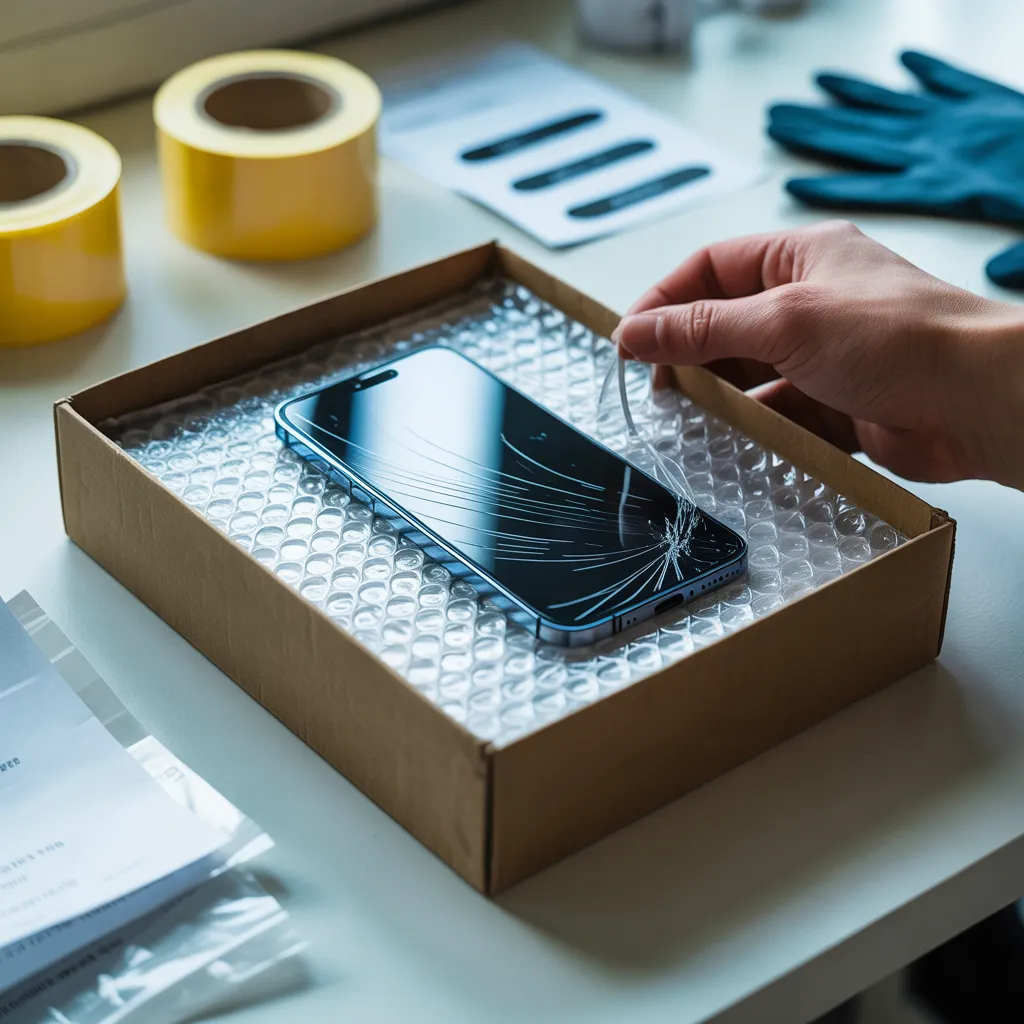
Screen issues like cracks, flickers, or unresponsive touch inputs are common. Cracks often result from drops, requiring professional replacement. Flickering may stem from software or hardware issues; restarting or updating can help minor glitches. Unresponsive touch may be caused by screen protectors, software bugs, or failing digitizers. Removing protectors and rebooting may solve minor problems, but persistent issues require professional repair.
Preventing Overheating: Causes and Solutions
Overheating reduces performance, caused by high processor usage, background apps, or environmental conditions. Gaming or resource-heavy apps generate heat. Updating software, limiting active apps, reducing screen brightness, and avoiding direct sunlight minimize heat buildup. Removing cases during charging or intensive use improves heat dissipation.
Frequently Asked Questions
Recovering Deleted Files
Use data recovery software, check cloud backups, or consult professionals. Acting promptly increases success chances.
Charging Issues
Check cables, ports, outlets, restart the evaluation device, or try a different charger. Persistent issues may require professional diagnosis.
How Can I Improve My Phone's Battery Lifespan?
Update software, adjust brightness, enable battery saver, limit background apps, and avoid extreme temperatures to prolong battery life.
Factory Reset Instructions
Navigate to settings → system → reset options → erase all data (factory reset) and confirm. Back up data beforehand.
What Are Signs My Phone Needs Professional Repair?
Persistent crashes, unresponsive touchscreens, excessive battery drain, unusual sounds, or physical damage indicate the need for expert repair when troubleshooting fails.