The Comprehensive Guide to iPhone Repair: Specialist Solutions and Finding the Best Service
The process of iPhone repair can be intimidating for a lot of users. With issues ranging from app crashes to battery drain, knowing how to address these problems is essential. Picking the correct repair service creates an extra level of difficulty. Understanding the nuances of DIY repairs versus professional help can greatly impact outcomes. As users consider these options, a number of important factors will shape their choices and possibly save them time and money.
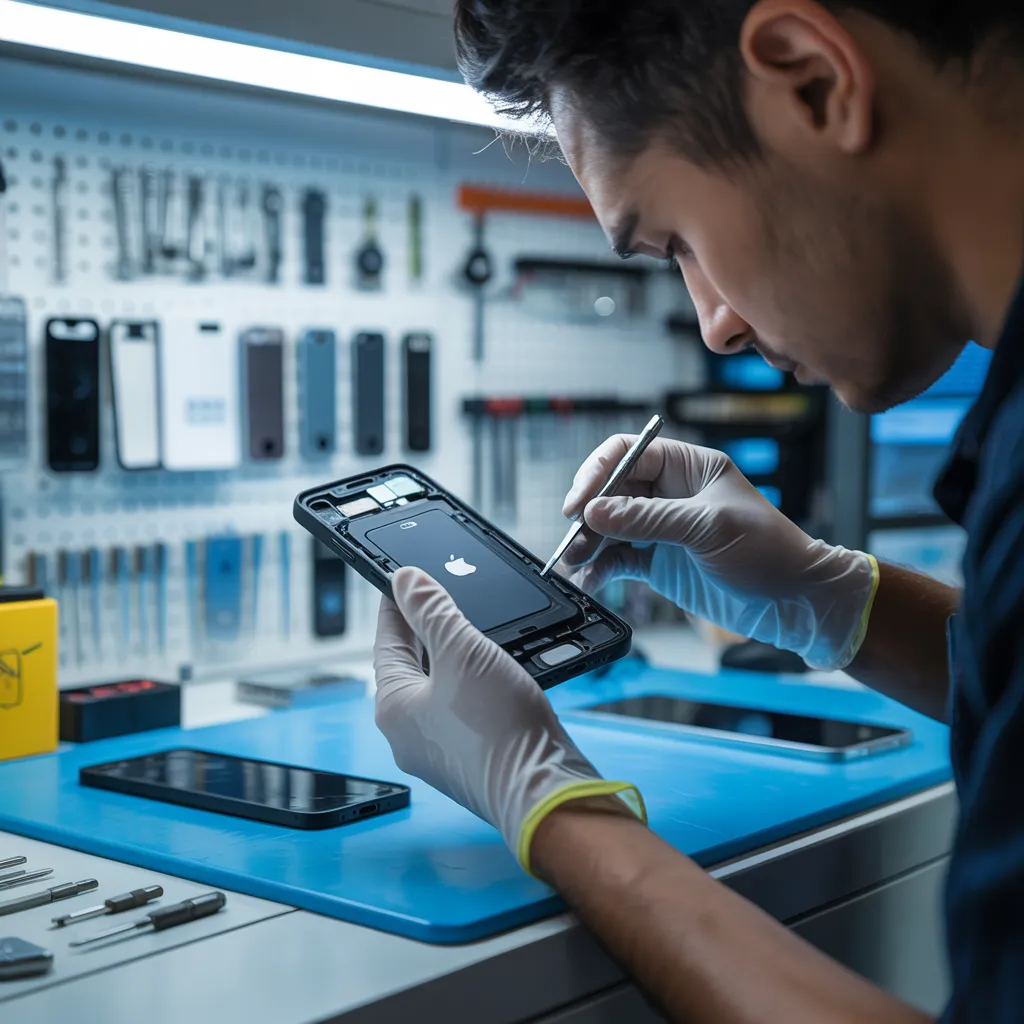
Understanding Common iPhone Issues: Signs You Shouldn't Dismiss
Identifying common iPhone problems necessitates mindfulness of different warning signals that might reveal hidden concerns. People need to stay alert to symptoms including persistent app shutdowns, which may suggest software conflicts or insufficient memory. A rapidly draining battery can signal a failing battery or excessive background activity. Additionally, if the device overheats during regular use, it could result from hardware failures or inefficiently developed applications.
Physical symptoms, such as a damaged display or non-functioning buttons, demand urgent action to stop further deterioration. Network issues, including Wi-Fi or Bluetooth disruptions, frequently suggest misconfigured network settings or underlying hardware faults. Finally, unusual noises during calls or when using the speaker could indicate problems with the speaker. Through early identification of these signs, individuals can reach well-informed conclusions about their repair choices, potentially saving time and money in the long run.
How to Choose the Best Repair Service for Your iPhone
When looking for the top repair service for an Apple iPhone, individuals should evaluate several key factors to secure a positive experience. To begin, reputation is important; reviewing customer testimonials and ratings can give a clear picture of the service quality and trustworthiness. Next, it's essential to verify the qualifications of the technicians, making sure they hold certifications and have experience with iPhone repairs.
Moreover, inquire about repair warranties to guard against future issues. Access to authentic components is another critical consideration; employing authentic components can enhance the longevity of the unit. Clear pricing is crucial, as undisclosed charges can result in disappointment. Finally, logistical aspects like accessibility and completion time ought to be considered as well. Through thorough evaluation of these factors, individuals can arrive at a knowledgeable conclusion and choose a repair provider that addresses their requirements efficiently.
When to Consider DIY iPhone Repairs and When to Look for Expert Support
Deciding whether to pursue a DIY iPhone repair or consult a professional demands thoughtful evaluation of multiple factors. Examining the degree of the damage and the difficulty of the repair can assist in navigating the decision-making process. Moreover, the accessibility of the appropriate tools is a key factor in guaranteeing a favorable outcome.
Assessing Damage Severity
How can someone tell the difference between minor problems that can be resolved through DIY repairs and more severe damage that needs professional help? Typically, symptoms such as cracked screens, battery issues, or software glitches usually point to problems that homeowners can address themselves. Basic tools and online tutorials can help users navigate these simple repairs. However, when significant damage occurs—such as liquid damage, internal component failure, or persistent software errors—consulting an expert is the best course of action. These issues may necessitate intricate fixes that call for professional expertise and tools. Moreover, trying to repair severe problems without expertise may make the problem worse or cancel warranty coverage. At the end of iphone screen repair totterdown bristol the day, assessing the device's condition and recognizing one's technical limitations are key to choosing whether to handle the repair alone or turn to an expert.
Level of Repair Complexity
Assessing the difficulty of an iPhone repair is crucial for choosing between a DIY solution and expert assistance. Simple issues, such as screen fixes or battery replacements, may be suitable for those with basic technical skills and confidence. However, repairs concerning complex parts, such as the motherboard or internal circuitry, often demand specialized knowledge and tools. Performing complex repairs without experience can lead to further damage, compounding costs and problems. Additionally, warranty considerations play a critical role; DIY repairs may void existing warranties. As a result, device owners should evaluate their level of expertise, the nature of the damage, and potential risks before beginning the repair. When in doubt, reaching out from a licensed expert can guarantee proper handling and confidence.
Accessibility of Tools
The access to proper tools greatly impacts the willingness to attempt DIY iPhone repairs. When armed with the right specialized tools, such as precision screwdrivers, spudgers, and suction cups, basic repairs including screen replacements and battery swaps may be feasible. Yet, the absence of appropriate tools can complicate even simple tasks, leading to frustration or further damage.
In contrast, people dealing with complicated problems or without the necessary equipment should consider professional assistance. Skilled technicians have access to sophisticated equipment and the expertise needed to tackle difficult problems, ensuring safety and efficiency. At the end of the day, the determination rests on the nature of the problem and the accessibility of suitable equipment, guiding users toward either a DIY approach or seeking professional help for the best results.
iPhone Repair Pricing: What You Should Know
Understanding iPhone repair pricing is essential for any user facing issues with their device. Common repair price ranges can differ significantly based on the nature of the damage and whether one opts for DIY solutions or professional services. Moreover, multiple factors affect these expenses, making it essential to carefully consider all alternatives before moving forward.
Typical Repair Cost Ranges
Having an iPhone repaired can often seem like navigating a complex financial landscape, with costs differing significantly based on the kind of damage and iPhone model. Screen repairs typically fall between $100 to $300, based on the iPhone model, with more recent models carrying higher costs. Battery swaps usually fall between $50 and $100, while more complicated problems, such as liquid damage or logic board repairs, can push expenses to $300 or more. Additionally, fixes for charging port or camera problems can cost between $150 to $250. Owners should also factor in possible diagnostic fees, which could contribute to the overall expense. Being aware of these typical cost ranges can enable iPhone owners to better prepare for repair costs and decide wisely.
Variables That Influence Repair Costs
While various factors come into play, the version of the iPhone is a primary influence of repair costs. More recent models generally carry higher repair costs due to advanced technology and components. Furthermore, the type of the damage greatly influences costs; problems such as cracked screens can be cheaper to repair compared to water damage or circuit board failures. The supply of parts also plays a vital role; rare components can lead to increased pricing. In addition, the decision of repair service—whether authorized or independent—influences costs, with official repair centers generally charging a premium for their knowledge and coverage. To conclude, geography can influence costs, as city-based providers may charge more than those in rural regions. Being aware of these elements allows customers to better plan for repair costs.
DIY vs. Professional Services
When weighing DIY repairs against professional services, consumers often weigh the potential cost savings against the risks involved. DIY repairs may seem appealing due to lower costs, with replacement parts readily available online. However, this approach carries the risk of further damage, invalidating warranties, or undermining device performance. In contrast, professional services usually require a larger investment but deliver expert skill, making certain that fixes are performed accurately. Most shops offer warranties on their work, which adds peace of mind. Ultimately, individuals must consider their comfort level with technical tasks, the value of their time, and the importance of maintaining device integrity when deciding between DIY and professional repair options. Finding the right balance between affordability and quality is critical for efficient iPhone repair.
Manufacturer Warranty vs. Third-Party Repairs: How to Make the Right Decision
Selecting between manufacturer warranties and third-party repair options can be a challenging decision for iPhone users. Authorized warranty services, typically provided by Apple or approved service providers, guarantee that original parts are used and maintain the device's warranty status. These options often deliver reliable service but may come with longer wait times and higher costs.
That said, unauthorized repair shops can provide speedier and budget-friendly alternatives. However, using unauthorized services may compromise your existing warranty protection, and the quality of parts and expertise can vary widely. Individuals should take care to assess the underlying concerns related to independent repair services, such as the risk of inferior parts or unsatisfactory workmanship.
In the end, the selection is determined by the individual's preferences—whether they prioritize guaranteed quality and warranty protection or seek more affordable and quicker repair solutions. Assessing personal situations can help guide this significant choice.
Ways to Keep Your iPhone in Top Shape and Avoid Future Problems
Maintaining an iPhone can greatly extend its life expectancy and boost overall performance. Routine software updates are important, as they typically provide vital security updates and performance improvements. It is also advisable to manage their storage by frequently clearing out unnecessary apps, photos, and files, which can avoid performance issues.
Maintaining the cleanliness of the device is crucial; utilizing a soft, lint-free cloth assists in preserving the screen and casing. Furthermore, it is advisable for users to keep their iPhones away from extreme temperatures, as this can damage internal components. Utilizing a protective case and screen protector can further safeguard against physical damage.
Battery health is another crucial aspect; users ought to manage their iPhone charging responsibly, avoiding overnight charging and extreme battery drainage. Additionally, backing up data regularly guarantees that important information is safe, reducing anxiety in case of unforeseen issues. By following these guidelines, users can considerably decrease the likelihood of future problems.
Frequently Asked Questions
How Long Does an Average iPhone Repair Take?
On average, an iPhone repair takes between one and two hours, subject to the nature of the problem and the expertise of the technician. Repairs that are more involved, such as water damage issues, may require additional time for thorough assessment and restoration.
Am I Able to Use My iPhone While It's Getting Fixed?
During an iPhone repair, users typically cannot use their device. Repairs often require the phone to be powered off or disassembled, preventing access to its features until the technician has finished the needed repairs.
Which Tools Are Essential for DIY iPhone Repairs?
Fundamental tools required for DIY iPhone repairs comprise a precision screwdriver set, spudger, tweezers, suction cup, and a heat gun. These tools enable safe disassembly, careful component handling, and proper reassembly, ensuring effective repairs while minimizing potential damage.
Can I Safely Fix My iPhone in Humid Conditions?
Fixing an iPhone in humid conditions is typically unsafe. Moisture can damage internal parts, resulting in further damage. It's advisable to operate in a moisture-free environment to guarantee successful repairs and prevent potential damage.
What Is the Best Way to Back up My iPhone Before Repairs?
To safeguard an iPhone before undergoing repairs, one may utilize iCloud by activating the backup settings or link the device to a computer and make use of iTunes or Finder, ensuring all data is securely stored.